

The Internet of Things (IoT) has transformed from a buzzword to a business essential. As an experienced digital technology partner, I’ve witnessed firsthand how IoT business solutions are revolutionising industries, streamlining operations, and boosting profitability. In this blog, I’ll walk you through the top 10 real-world IoT Use Cases in business, showing you how companies like yours can leverage smart technology to stay competitive in a fast-changing market.
Why Is IoT Becoming So Popular?
The Internet of Things (IoT) is becoming more popular every year, and for good reason. It’s a powerful technology that connects everyday devices to the internet so they can collect and share data. This helps people and businesses work faster, smarter, and more efficiently.
One big reason for IoT’s growing popularity is the increase in the world’s population and the growth of cities. As more people move into urban areas, there’s a higher demand for smarter solutions, like better traffic systems, energy use, and waste management. That’s where IoT comes in. It helps make cities “smart” by using connected devices and sensors to monitor and control these systems in real time.
But IoT isn’t just for smart cities. It’s also making a big difference in industries like healthcare and manufacturing. In healthcare, IoT is used to track patient health remotely using wearable devices. This means doctors can monitor people without them needing to stay in the hospital. In manufacturing, IoT helps track machine performance, reduce downtime, and improve the quality of products.
The numbers show just how fast IoT is growing. In 2023, the global IoT market was worth over $662 billion, and experts say it could reach around $3.4 trillion by 2030. That shows how much businesses are investing in this technology.
Another reason IoT is becoming more popular is the rise in smart devices. Right now, there are over 15 billion connected IoT devices around the world. These include smart speakers, fitness trackers, security systems, and industrial machines. According to reports, that number could grow to almost 30 billion devices by 2030.
Are you ready to embrace the future of business with IoT? Let’s talk!
Top 10 IoT Use Cases in 2025
Now, let’s explore the top IoT use cases making a big impact in 2025. Based on our hands-on experience with Internet of Things projects, we’ve highlighted the most powerful and practical examples that show how IoT is transforming businesses today.
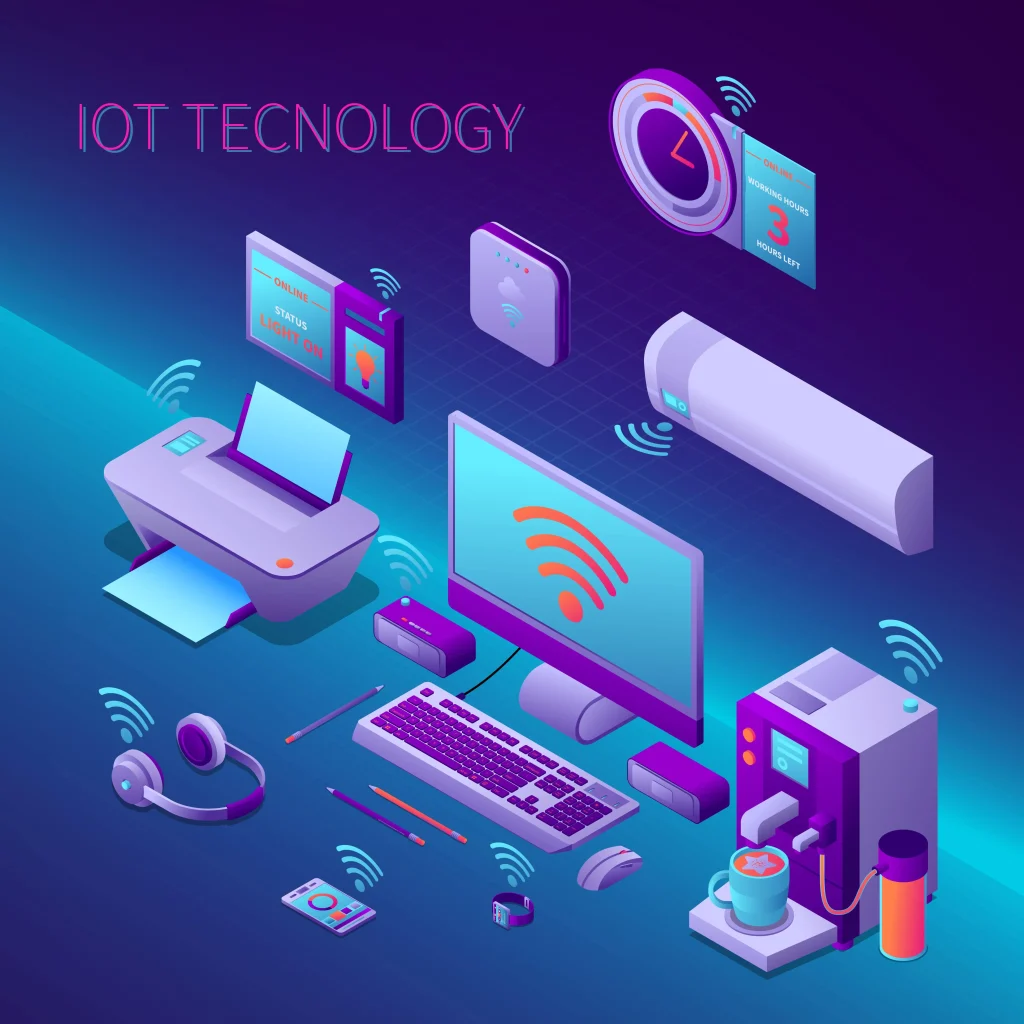
1. Smart Manufacturing (Industrial IoT)
Industrial IoT (IIoT) is one of the most advanced applications of IoT in business. Sensors, connected machines, and cloud platforms are used to monitor production lines, equipment status, and energy usage in real-time.
Benefits:
- Predictive maintenance reduces downtime and costly repairs.
- Real-time analytics improve operational efficiency.
- Automation enhances product quality and consistency.
Example: GE uses IIoT to monitor gas turbines and jet engines, reducing maintenance costs by millions annually.
2. Connected Logistics and Fleet Management
IoT is revolutionising how goods are transported and delivered. With GPS sensors, RFID tags, and real-time tracking, logistics companies gain complete visibility over their supply chains.
Benefits:
- Improved delivery accuracy and efficiency.
- Real-time route optimisation saves fuel and time.
- Better inventory control and reduced loss/theft.
Example: DHL integrates IoT sensors in delivery trucks to optimise routes and track cargo temperature for sensitive goods.
3. Smart Retail and Inventory Management
Retail businesses are turning to IoT to personalise shopping experiences and manage inventory more efficiently. Smart shelves and beacons are common examples.
Benefits:
- Personalised marketing based on in-store behaviour.
- Automated inventory restocking.
- Enhanced customer engagement through interactive displays.
Example: Walmart uses IoT sensors to monitor refrigeration units and automate inventory checks.
4. IoT in Agriculture (Smart Farming)
Agritech has seen huge growth with IoT-enabled smart farming solutions. Farmers can now use data-driven insights to improve crop yields and manage resources efficiently.
Benefits:
- Real-time monitoring of soil moisture and weather conditions.
- Automated irrigation systems reduce water waste.
- Livestock tracking for better animal health management.
Example: John Deere’s connected tractors help farmers collect field data and optimise planting and harvesting.
5. Smart Buildings and Energy Management
Commercial buildings are increasingly adopting IoT for energy efficiency and automation. From lighting systems to HVAC units, everything can be managed remotely.
Benefits:
- Reduced energy costs through smart meters and sensors.
- Automated lighting and climate control based on occupancy.
- Enhanced safety with remote monitoring and alerts.
Example: Siemens uses IoT to manage building systems across corporate campuses, resulting in massive energy savings.
6. IoT in Healthcare (Remote Monitoring and Smart Devices)
Healthcare is one of the most impactful areas for IoT applications. Connected devices enable doctors to monitor patients remotely and manage chronic conditions more effectively.
Benefits:
- Real-time health monitoring improves patient outcomes.
- Reduced hospital readmissions.
- Smart wearables alert users and doctors about abnormal metrics.
Example: Philips offers remote patient monitoring solutions that reduce in-person visits while maintaining care quality.
7. IoT in Smart Cities
Smart cities use IoT technology to manage urban infrastructure, improve safety, and enhance public services.
Benefits:
- Smart traffic management reduces congestion.
- Waste management sensors optimise collection schedules.
- Improved energy usage through smart grids.
Example: Barcelona uses IoT for smart street lighting, traffic monitoring, and waste bins, cutting costs and improving urban living.
8. IoT in Financial Services (Smart ATMs & Risk Monitoring)
Banks and financial institutions are leveraging IoT for enhanced customer experience and operational safety.
Benefits:
- Smart ATMs monitor usage patterns and identify maintenance needs.
- Real-time fraud detection with connected transaction monitoring systems.
- Improved customer service with biometric sensors and digital queues.
Example: Citibank uses IoT to track ATM health and optimise servicing schedules.
9. IoT in Hospitality (Smart Rooms and Personalised Service)
The hospitality industry is integrating IoT to deliver seamless, personalised guest experiences.
Benefits:
- Guests control lighting, temperature, and entertainment via mobile apps.
- Automated check-in/check-out improves service speed.
- Personalised services based on past guest behaviour.
Example: Marriott hotels use IoT-powered room controls and smart concierge services.
10. IoT for Workplace Safety and Asset Tracking
IoT plays a critical role in ensuring safety and compliance in industries like construction, mining, and manufacturing.
Benefits:
- Real-time tracking of workers and equipment.
- Alerts for hazardous conditions.
- Compliance monitoring and reporting made easier.
Example: Shell uses IoT to monitor equipment in oil fields and ensure employee safety through wearable devices.
Why IoT Use Cases Are Important for Your Industry and How to Make the Most of Them
In today’s fast-paced digital world, IoT (Internet of Things) is transforming how industries operate. By integrating IoT into your business, you can create a connected ecosystem where machines, devices, and systems communicate and share data in real time. This allows for better monitoring, automation, and control across your operations.
As your business grows and processes become more complex, it’s easy to lose track of efficiency, flexibility, and stability. That’s where IoT for your industry becomes a powerful solution. With smart devices and data-driven insights, IoT helps simplify these challenges and enables smarter ways to work.
From boosting productivity to driving digital transformation, IoT-powered solutions are unlocking new opportunities for businesses of all sizes. Here’s how your industry can benefit from embracing this technology:
Key Benefits of IoT Use Cases Integration in Your Industry
1. Reduced Operational Costs
Using IoT in industry operations helps you identify inefficiencies early. By automating routine tasks and optimising resource usage, you can cut down on labour costs, minimise waste, and lower overall expenses. Smart systems detect problems before they grow, saving both time and money.
2. Improved Efficiency and Performance
IoT sensors and connected devices provide real-time updates, helping you monitor production, supply chains, or equipment performance instantly. This allows for quicker responses to problems, smoother workflows, and better coordination between teams and systems. Automated actions also reduce human error and speed up daily tasks.
3. Smarter, Faster Decision-Making
One of the biggest strengths of IoT-powered solutions is their ability to generate and analyse data. With real-time analytics and insights, your business can make informed, data-driven decisions. You’ll be able to detect trends, predict future outcomes, and adjust strategies on the go.
4. Enhanced Customer Experience
IoT for customer engagement lets you personalise services based on real user behaviour. Smart systems collect data on preferences, habits, and needs, helping you deliver tailored experiences. Whether it’s proactive support, faster service, or customised products, IoT helps you meet and exceed customer expectations.
How IoT Helps Transform Your Business Model
Beyond immediate operational benefits, industrial IoT plays a key role in long-term innovation. It supports:
- Remote monitoring and maintenance
- Predictive analytics and forecasting
- Scalable automation
- Real-time inventory and asset tracking
- Advanced safety and security measures
With the right strategy, you can use IoT to redesign your entire workflow from production lines to customer service and create a more agile, future-ready business model.
Final Thoughts: Embrace the Power of IoT Use Cases to Future-Proof Your Business
As industries evolve in the digital age, the Internet of Things (IoT) has emerged as a transformative force. From streamlining manufacturing processes and enhancing customer experiences to enabling predictive maintenance and intelligent decision-making, IoT is no longer optional; it’s essential. Businesses that harness IoT technologies are gaining a competitive edge by operating smarter, reducing costs, improving efficiency, and adapting quickly to market changes.
The use cases we’ve explored show just how versatile and impactful IoT Use Cases can be across sectors like healthcare, retail, logistics, agriculture, hospitality, and smart cities. Whether you’re looking to optimise operations, improve safety, or deliver personalised services, IoT offers practical solutions backed by real-time data and automation.
However, implementing IoT successfully requires more than just technology; it takes strategy, expertise, and the right digital partner.
ALSO READ: Top Nearshore Software Development Companies
Fill The Form Below
